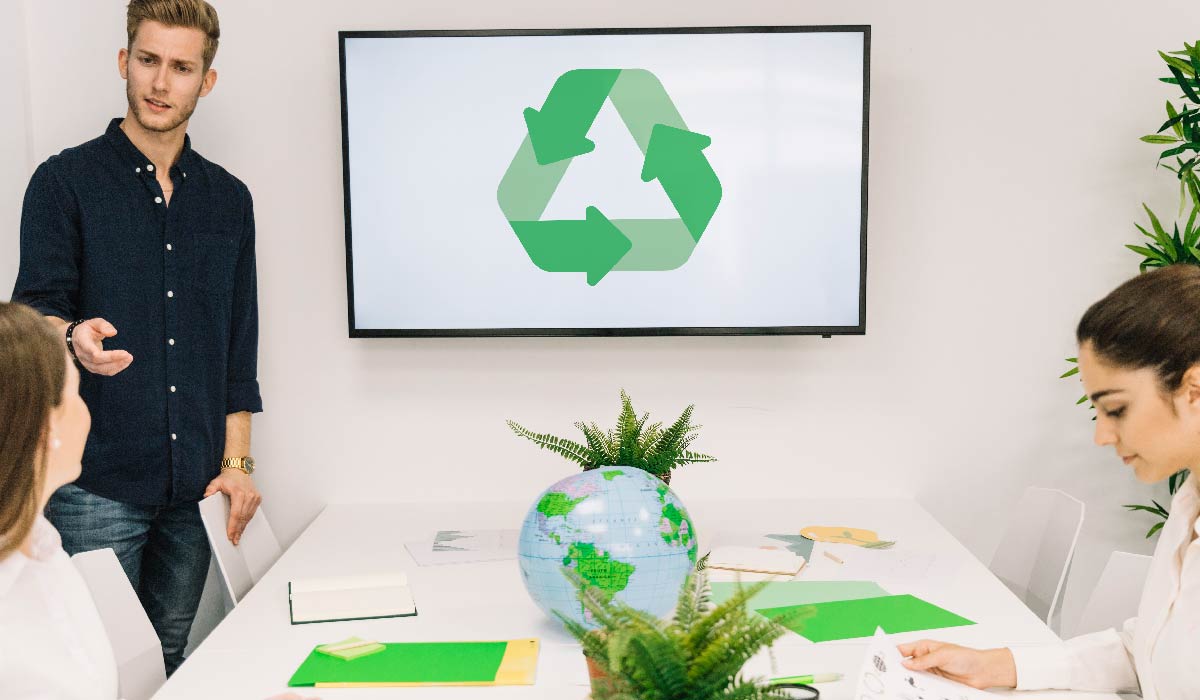

MataRecycler is an AI-powered recycling system that uses smart sensors, automation, and data analytics to identify, sort, and manage waste efficiently. It is designed to improve sorting accuracy, reduce contamination, and simplify recycling for individuals, businesses, and cities through intelligent technology. MataRecycler is an intelligent recycling system that uses AI and automation to improve waste sorting, reduce contamination, and make recycling more efficient and sustainable.
Introduction
MataRecycler is emerging as a powerful solution at a time when global recycling systems are struggling to keep up with increasing waste. Around the world, people face confusion about what can be recycled, leading to contamination that makes entire batches of recyclable materials unusable. Overflowing landfills and inefficient waste management systems are becoming serious environmental challenges. Traditional recycling methods rely heavily on manual sorting and public awareness, which often fall short in modern urban environments.
MataRecycler addresses these problems by introducing a smarter, technology-driven approach to recycling. It removes guesswork from the process and replaces it with automation and accuracy. By doing so, it helps individuals recycle correctly, supports businesses in managing waste efficiently, and enables cities to operate cleaner and more sustainable systems. This article explores how MataRecycler works, the technology behind it, its environmental and economic benefits, real-world applications, and its future potential in shaping modern recycling systems.
Understanding the Meaning and Concept of MataRecycler
MataRecycler is more than just a name; it represents a complete shift in how recycling is understood and practiced. The concept can be broken down into three simple ideas: smart technology, recycling processes, and system integration. Together, these elements create a modern approach that transforms recycling from a manual and often confusing activity into an intelligent and automated system.
Unlike traditional recycling bins that depend on users to sort waste correctly, MataRecycler functions as a full ecosystem. It includes physical components such as smart bins, sorting machines, and sensors, as well as digital elements like artificial intelligence and data analytics platforms. This dual nature makes it both a practical tool and a powerful digital system.
On one level, MataRecycler is a physical system that interacts directly with waste materials. On another level, it is a digital platform that collects data, analyzes patterns, and improves performance over time. This combination allows it to continuously adapt and become more efficient. By merging these two dimensions, MataRecycler represents a new standard in recycling that goes beyond simple waste collection and moves toward intelligent resource management.
The Global Waste Crisis and Why Traditional Recycling Fails
The world is currently facing a massive waste crisis, with billions of tons of waste generated each year. As populations grow and consumption increases, the amount of waste continues to rise at an alarming rate. Landfills are reaching capacity, and improper waste disposal is causing environmental damage, including pollution of air, water, and soil. Despite the importance of recycling, existing systems are not able to handle the scale and complexity of modern waste.
Traditional recycling methods rely heavily on manual sorting, which is both time-consuming and prone to error. Workers must quickly identify and separate materials, often under challenging conditions. This leads to high contamination rates, where recyclable items are mixed with non-recyclable waste. When contamination occurs, entire batches may be rejected and sent to landfills, wasting valuable resources.
Another major issue is the lack of public awareness. Many people are unsure about what can be recycled, leading to incorrect disposal practices. Recycling rules vary by location, adding to the confusion. These limitations show that traditional systems are outdated and no longer effective in dealing with today’s waste challenges. This creates an urgent need for innovative solutions like MataRecycler that can improve accuracy, efficiency, and overall recycling performance.
How MataRecycler Works Step by Step
MataRecycler operates through a seamless and intelligent process that begins the moment a user disposes of an item. When waste is placed into the system, it is immediately scanned using advanced sensors and cameras. These technologies capture detailed information about the item, including its shape, size, and material composition.
Once the data is collected, artificial intelligence analyzes the item in real time and identifies whether it is plastic, metal, paper, glass, or another material. This identification process happens within seconds, ensuring a smooth and efficient experience for the user. After classification, the system automatically directs the item to the appropriate sorting channel.
As the sorting takes place, MataRecycler records data about the materials being processed. This information is stored and analyzed to improve future performance and provide insights into recycling patterns. The sorted materials are then transferred to designated recycling streams, where they can be processed and reused.
This step-by-step process eliminates the need for manual sorting and significantly reduces errors. By ensuring that materials are correctly identified and separated from the beginning, MataRecycler increases the overall success rate of recycling and minimizes waste.
Core Technologies Behind MataRecycler
MataRecycler is powered by a combination of advanced technologies that work together to create an efficient and intelligent recycling system. At the heart of the system is artificial intelligence, which enables the identification and classification of different materials. AI algorithms analyze data quickly and accurately, allowing the system to make instant decisions.
Machine learning plays a key role in improving the system over time. As MataRecycler processes more waste, it learns from patterns and becomes better at recognizing materials. This continuous improvement ensures higher accuracy and efficiency.
IoT sensors are used to monitor various aspects of the system, including bin capacity and operational performance. These sensors provide real-time data that helps optimize waste collection and management. Computer vision technology allows the system to “see” and understand objects, making it possible to identify materials based on visual characteristics.
Data analytics transforms raw data into useful insights, enabling better decision-making for waste management authorities and businesses. Cloud integration ensures that all data is accessible and can be shared across different platforms. Together, these technologies create a powerful system that enhances recycling processes and supports sustainable practices.
Environmental Benefits of MataRecycler
MataRecycler offers significant environmental benefits by improving the efficiency and accuracy of recycling. One of its most important contributions is reducing the amount of waste that ends up in landfills. Ensuring that recyclable materials are properly sorted, it increases the likelihood that they will be reused rather than discarded.
The system also helps lower greenhouse gas emissions. When waste is diverted from landfills, it reduces the production of harmful gases that contribute to climate change. Additionally, recycling materials such as plastic, metal, and paper requires less energy compared to producing new materials, which further reduces environmental impact.
MataRecycler also plays a role in conserving natural resources. By enabling the reuse of materials, it decreases the need for raw resource extraction. This helps protect ecosystems and reduces environmental degradation. In real-world applications, cities and businesses that adopt smart recycling systems often see cleaner environments and improved sustainability outcomes. Over time, these benefits contribute to a healthier planet and a more balanced ecosystem.
Economic Benefits for Businesses and Cities
In addition to its environmental advantages, MataRecycler provides strong economic benefits for businesses and cities. One of the main advantages is the reduction in waste management costs. Automated sorting reduces the need for manual labor, which lowers operational expenses.
Businesses can also save money by reducing landfill fees. Instead of paying for waste disposal, they can recover valuable materials and reintroduce them into the production cycle. This creates new revenue opportunities and supports a more sustainable business model.
Cities benefit from improved efficiency in waste collection and management. Real-time data allows for optimized collection routes, reducing fuel consumption and transportation costs. The increased accuracy of recycling also means that more materials can be processed and sold, generating additional income.
Furthermore, the adoption of advanced recycling systems can lead to job creation in technology, maintenance, and recycling industries. These economic benefits make MataRecycler not only an environmental solution but also a practical investment for long-term growth and sustainability.
How MataRecycler Supports Smart Cities
MataRecycler plays a vital role in the development of smart cities by integrating intelligent waste management into urban infrastructure. In modern cities, technology is used to improve efficiency, reduce waste, and enhance quality of life. MataRecycler aligns perfectly with these goals by providing a data-driven approach to recycling.
Smart bins equipped with sensors can monitor fill levels in real time, allowing waste collection services to operate more efficiently. Instead of following fixed schedules, collection routes can be adjusted based on actual needs. This reduces unnecessary trips and lowers fuel consumption.
The system also provides valuable data that city planners can use to identify trends and improve waste management strategies. By analyzing recycling patterns, cities can address problem areas and increase overall efficiency. Cleaner streets, reduced pollution, and better resource management contribute to a higher quality of life for residents.
As part of a smart city ecosystem, MataRecycler helps create a more sustainable and connected urban environment where technology supports both people and the planet.
User Experience – Why MataRecycler Is Easy to Use
One of the key strengths of MataRecycler is its focus on user experience. The system is designed to be simple and intuitive, making it accessible to people of all ages and backgrounds. Users do not need technical knowledge or training to use the system effectively.
When a person disposes of waste, the system automatically handles identification and sorting. Clear visual or digital guidance helps users understand the process, reducing confusion and uncertainty. This simplicity encourages more people to participate in recycling programs.
By removing the burden of manual sorting, MataRecycler makes recycling a seamless part of daily life. This improved experience leads to higher participation rates and better recycling outcomes. When people find it easy to recycle correctly, they are more likely to adopt sustainable habits.
Real-World Use Cases and Success Examples
Across different regions, smart recycling systems similar to MataRecycler have shown promising results. Cities that adopt AI-driven recycling solutions often experience higher recycling rates and reduced contamination. Businesses that implement such systems can manage waste more efficiently and achieve sustainability goals more effectively.
In industrial settings, automated recycling systems improve the handling of large volumes of waste, leading to faster processing and lower costs. Retail and office spaces benefit from better waste tracking and reporting, which supports compliance with environmental regulations.
These real-world applications demonstrate that intelligent recycling systems can deliver measurable improvements in efficiency, cost savings, and environmental impact. MataRecycler builds on these successes and offers a scalable solution for different sectors.
Challenges and Limitations of MataRecycler
Despite its many advantages, MataRecycler also faces certain challenges. One of the main limitations is the high initial cost of installation and infrastructure development. Implementing advanced technology requires significant investment, which may be a barrier for some organizations.
Another challenge is the need for public education. While the system simplifies recycling, users still need to understand basic waste disposal practices. Without proper awareness, the effectiveness of the system may be reduced.
There are also technical limitations when dealing with complex or mixed materials that are difficult to identify. Continuous improvement and innovation are needed to address these issues. Additionally, integrating new systems into existing waste management frameworks can be complex and require careful planning.
Recognizing these challenges is important for building trust and ensuring that MataRecycler continues to evolve and improve over time.
The Future of MataRecycler and Smart Recycling Technology
The future of MataRecycler looks promising as technology continues to advance. Innovations such as predictive analytics could allow systems to forecast waste patterns and optimize operations even further. Blockchain technology may be used to increase transparency and track materials throughout the recycling process.
Advancements in material detection will enable the system to handle more complex waste types, including electronic waste and composite materials. Expansion into residential areas will make smart recycling accessible to households, not just businesses and cities.
As global interest in sustainability grows, MataRecycler has the potential to become a key component of modern waste management systems. Its ability to integrate with broader environmental and technological frameworks positions it as a leading solution for the future.
Why MataRecycler Is Important for a Sustainable Future
MataRecycler is important because it connects environmental protection, economic efficiency, and social responsibility. Improving recycling processes, it helps reduce waste, conserve resources, and lower environmental impact. At the same time, it supports economic growth by creating new opportunities and reducing costs.
The system also encourages individuals and communities to adopt more sustainable practices. By making recycling easier and more effective, it promotes a culture of responsibility and awareness. This alignment with global sustainability goals highlights the importance of adopting innovative solutions like MataRecycler.
Conclusion
MataRecycler represents a significant advancement in recycling technology, offering a smarter and more efficient approach to waste management. By combining artificial intelligence, automation, and data analytics, it addresses many of the challenges faced by traditional recycling systems. Its ability to improve accuracy, reduce contamination, and support sustainability makes it a valuable solution for individuals, businesses, and cities. As technology continues to evolve, MataRecycler has the potential to play a central role in building a cleaner and more sustainable future for everyone.
We Explore Latest News And Information At The General Magazine