
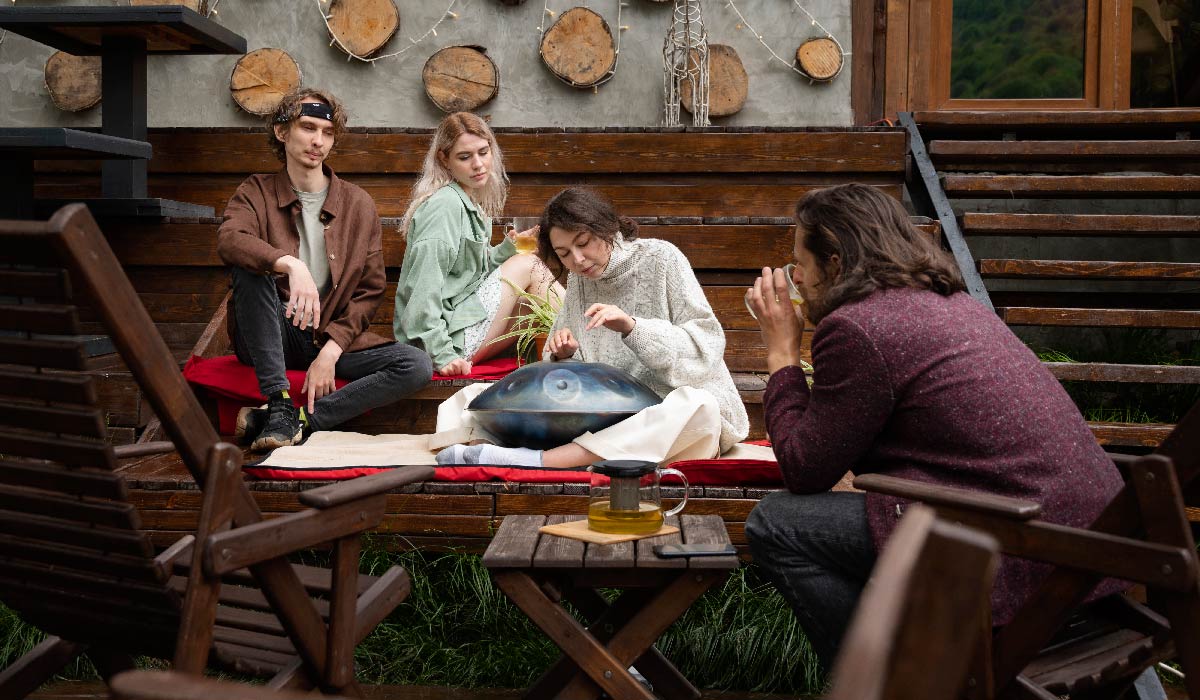

Bjudlunch is a Swedish tradition where one person invites another to lunch and pays for the meal as a gesture of kindness and connection. It focuses on building relationships through simple, meaningful shared experiences rather than formal or transactional interactions. Bjudlunch is a Swedish custom of inviting someone to lunch and covering the cost to strengthen relationships through generosity and shared time.
Introduction
Bjudlunch is becoming more popular around the world as people search for more meaningful ways to connect in everyday life. In today’s fast-moving digital world, many interactions feel rushed, transactional, or purely work-focused. Because of this, people are now turning toward simpler and more human-centered traditions that bring real conversation and emotional connection back into daily routines. Bjudlunch fits perfectly into this shift because it is based on kindness, intention, and shared time rather than business or obligation.
There is also a growing interest in Scandinavian lifestyle concepts that focus on balance, simplicity, and well-being. People admire how these cultures prioritize quality of life, strong relationships, and thoughtful social habits. Bjudlunch reflects all of these values by offering a relaxed and natural way to connect with others. It shows that meaningful interaction does not need to be complicated or expensive, but rather intentional and genuine.
This article will explore everything about Bjudlunch, including its meaning, history, cultural importance, modern use, and practical benefits. It will also guide you on how to use this simple tradition in your own life. This guide will help you understand everything about Bjudlunch and how to use it to build stronger personal and professional relationships.
Understanding the Meaning of Bjudlunch in Everyday Life
Bjudlunch is a combination of two simple ideas: inviting someone and sharing a meal. The word itself comes from Swedish, where “bjuda” means to invite or offer, and “lunch” refers to the midday meal. While the literal meaning is easy to understand, the deeper meaning of Bjudlunch goes far beyond just food. It represents a thoughtful act where one person chooses to create space for connection, conversation, and shared experience.
In everyday life, Bjudlunch is not about money or generosity in a loud way. It is about intention. When someone invites another person and pays for the meal, it removes the awkwardness of splitting bills or keeping track of who owes what. This creates a more relaxed and open environment where both people can focus on enjoying the moment instead of thinking about costs or formalities. This simple shift changes the entire experience of a meal.
Bjudlunch is commonly used in friendships, work relationships, and even new connections. It allows people to meet in a comfortable setting without pressure. The focus remains on conversation, understanding, and building trust. Over time, these small moments can create stronger and more meaningful relationships.
Bjudlunch in simple terms:
A relaxed lunch where one person invites, pays, and focuses on meaningful conversation.
The Origin and History of Bjudlunch in Sweden
The tradition of Bjudlunch has its roots in Swedish language and culture, where the act of inviting and sharing meals has always been important. The word itself comes from “bjuda,” meaning to invite, which reflects a long-standing cultural value of hospitality. In earlier times, Swedish communities relied heavily on shared meals to bring people together, especially in rural areas where cooperation and support were essential for daily life.
During the period of industrialization in Sweden, social structures began to change as more people moved into cities and started working in organized workplaces. This shift created a need for new ways to maintain social connections. Bjudlunch gradually became part of workplace culture, where colleagues would invite each other to lunch as a way to build relationships and strengthen teamwork in a more relaxed environment.
After the Second World War, Sweden developed a strong welfare system that emphasized equality and social balance. Bjudlunch is naturally aligned with these values because it created a space where everyone could interact without hierarchy or pressure. It was not about status or showing wealth, but about shared human experience. Over time, this tradition adapted to modern life while still maintaining its core purpose of connection and simplicity.
Today, Bjudlunch continues to evolve, but its foundation remains the same. It is still a reflection of Sweden’s cultural values, combining tradition with modern lifestyle needs.
Cultural Values Behind Bjudlunch in Swedish Society
Bjudlunch is deeply connected to the cultural values of Swedish society, where equality, modesty, and trust play an important role in daily life. One of the key aspects of this tradition is that it removes hierarchy. When people sit together for a Bjudlunch, it does not matter who has a higher position or more status. Everyone is equal at the table, which creates a comfortable and open atmosphere for conversation.
Another important value reflected in Bjudlunch is modesty. The host does not try to impress others with expensive meals or extravagant settings. Instead, the focus is on simplicity and genuine interaction. This aligns closely with the Swedish concept of Lagom, which means finding the right balance without excess. Bjudlunch follows this idea by offering just enough to create a meaningful experience without overdoing it.
Trust and openness are also central to this tradition. Inviting someone to lunch and paying for the meal shows a level of comfort and goodwill that helps build stronger connections. It also promotes social inclusion, as people from different backgrounds can come together without feeling judged or excluded. In this way, Bjudlunch is more than just a meal; it is a reflection of how Swedish society values human connection and balance.
How Bjudlunch Works in Practice Today
In modern life, Bjudlunch is practiced in a very simple and flexible way, which is one of the reasons it remains popular. The basic idea is that one person invites another to lunch and takes full responsibility for the bill. This removes any confusion or discussion about payment, allowing both people to focus entirely on the experience of spending time together.
The setting for a Bjudlunch is usually casual. It can take place in a café, a small restaurant, or even at home. The goal is not to create a formal environment, but to choose a place where conversation can flow naturally. The group size is often small, usually between two and six people, so that everyone can participate in the discussion without feeling left out.
The timing is also relaxed, typically lasting between one and one and a half hours. This makes it easy to fit into a busy schedule while still allowing enough time for meaningful interaction. People use Bjudlunch for many different occasions, such as celebrating small achievements, discussing ideas, or simply catching up with friends.
What makes Bjudlunch unique in practice is its focus on conversation rather than structure. There is no strict agenda or expectation. The experience is guided by the people involved, making it feel natural and enjoyable.
Bjudlunch Etiquette and Social Rules
The etiquette of Bjudlunch is simple but important, as it helps maintain the comfort and balance of the experience. One of the most important aspects is punctuality. Arriving on time shows respect for the host and ensures that the meal begins smoothly. Since the setting is usually relaxed, there is no need for formal behavior, but basic manners and awareness are always appreciated.
The host is expected to handle the payment without making it a big issue. Guests should not insist on splitting the bill, as this goes against the spirit of Bjudlunch. Instead, the focus should remain on enjoying the meal and the conversation. Showing appreciation is also important, whether through a simple thank you during the meal or a message afterward.
Bringing a small gift, such as flowers or a simple treat, can be a nice gesture, but is not required. Respecting dietary preferences is also essential, as it ensures that everyone feels included and comfortable.
Key etiquette rules:
Accept or decline clearly, be present and engaged during the meal, do not insist on splitting the bill, and always follow up with a sincere thank you. These simple actions help maintain the respectful and friendly atmosphere that defines Bjudlunch.
Traditional Foods Served in a Bjudlunch
Food in a Bjudlunch is usually simple, comforting, and based on seasonal ingredients rather than luxury or complexity. The focus is not on impressing guests with expensive dishes, but on serving meals that are enjoyable, balanced, and easy to share. This reflects the overall philosophy of keeping things natural and relaxed.
Traditional Swedish dishes often appear in Bjudlunch settings. Meals may include Köttbullar served with potatoes and sauce, or Sill, which is a classic part of Swedish cuisine. Another common dish is Janssons frestelse, a creamy potato-based meal that is both filling and comforting.
Alongside these dishes, bread, fresh salads, and simple vegetable sides are often included to create a balanced meal. Desserts are usually light, such as pastries, fruit, or small sweets. In recent years, there has also been a growing trend toward vegetarian and vegan options, reflecting modern dietary preferences and sustainability concerns.
The overall approach to food in Bjudlunch is about harmony rather than excess. Each dish plays a role in creating a satisfying and enjoyable experience.
Bjudlunch in the Workplace: A Smart Networking Tool
Bjudlunch has become an effective tool in the workplace, especially in modern environments where collaboration and communication are highly valued. Unlike formal meetings, which can sometimes feel structured and pressured, Bjudlunch offers a relaxed setting where people can interact more naturally. This makes it easier to build trust and strengthen professional relationships.
In work settings, Bjudlunch is often used for meeting clients, welcoming new team members, or celebrating achievements. The informal nature of the lunch allows conversations to flow more freely, which can lead to better understanding and new ideas. People are more likely to share thoughts and opinions when they feel comfortable, and this can improve teamwork and creativity.
Another advantage is that Bjudlunch removes the pressure of formal performance. Instead of focusing on results or expectations, participants can focus on building genuine connections. This creates a stronger foundation for long-term collaboration.
As work culture continues to evolve toward more flexible and human-centered approaches, Bjudlunch fits perfectly into this shift. It combines professionalism with warmth, making it a valuable practice in today’s workplace.
Psychological Benefits of Bjudlunch
Bjudlunch offers several psychological benefits that go beyond simple social interaction. Sharing a meal has always been a powerful way to connect with others, as it creates a sense of comfort and belonging. When combined with the intentional act of inviting and treating someone, this effect becomes even stronger.
The concept of Social bonding helps explain why Bjudlunch is so effective. When people eat together and engage in conversation, their brains release positive emotions that strengthen relationships. This reduces stress and makes individuals feel more relaxed and open.
Bjudlunch also encourages honesty and deeper communication. Without the pressure of formal settings, people are more likely to express their thoughts and feelings. This leads to stronger trust and understanding over time. Additionally, the combination of food and conversation creates lasting memories, making the experience more meaningful.
Overall, Bjudlunch supports emotional well-being by promoting connection, reducing isolation, and creating positive shared experiences.
Modern Adaptations of Bjudlunch in a Digital World
As lifestyles change and technology becomes more central to daily life, Bjudlunch has also adapted to fit modern needs. In remote work environments, people now organize virtual Bjudlunch sessions where meals are delivered to participants while they connect online. This allows the tradition to continue even when people are physically apart.
Food delivery services have also made it easier to host a Bjudlunch without much preparation. A host can simply arrange meals for guests and create a shared experience without needing to cook. Hybrid gatherings, where some participants meet in person while others join online, are also becoming more common.
Sustainability is another important aspect of modern Bjudlunch. Many people now focus on eco-friendly choices, such as plant-based meals or local ingredients. Minimalist hosting styles are also popular, as they align with the original idea of simplicity and balance.
These adaptations show that Bjudlunch is not limited to traditional settings. It continues to evolve while keeping its core purpose intact.
Benefits of Practicing Bjudlunch in Daily Life
Practicing Bjudlunch in daily life can bring many positive changes, both socially and emotionally. One of the main benefits is stronger relationships. When people take time to share a meal and focus on conversation, they build deeper connections that last longer than casual interactions.
Bjudlunch also improves communication by creating a relaxed environment where people feel comfortable expressing themselves. This leads to more meaningful conversations and better understanding between individuals. It also encourages people to slow down and appreciate the present moment, which can reduce stress and improve overall well-being.
Another benefit is cultural enrichment. By practicing Bjudlunch, people can learn from different traditions and perspectives, making their social experiences more diverse and interesting. It also helps reduce loneliness by creating regular opportunities for connection.
Why Bjudlunch works:
It combines simplicity, generosity, and human connection in one experience.
Bjud lunch vs Similar Traditions Around the World
Many cultures have traditions that involve inviting others to meals, but Bjudlunch stands out because of its focus on simplicity and equality. In Japan, hospitality is expressed through thoughtful service and respect. In Italy, paying for meals is often a way to show friendship and warmth. In Mexico, inviting others to share food is a common expression of community and generosity. In the United States, business lunches are often used for networking and professional discussions.
While these traditions share similarities, Bjudlunch is unique because it removes formality and focuses entirely on human connection. It is not about impressing others or achieving specific outcomes. Instead, it is about creating a comfortable and balanced space where relationships can grow naturally.
How to Host Your Own Bjudlunch (Step-by-Step Guide)
Hosting a Bjudlunch is simple and does not require complicated planning. The first step is choosing the right guest, someone you want to connect with or spend time with in a meaningful way. After that, selecting a comfortable location is important, whether it is a quiet café, a simple restaurant, or your home.
Planning a balanced menu is also helpful, but it does not need to be complex. The focus should be on food that is easy to enjoy and share. Sending a clear and friendly invitation sets the tone for the experience. During lunch, the most important thing is to focus on conversation and make the other person feel comfortable.
Paying for the meal should be done naturally without drawing attention to it. After the lunch, a simple follow-up message can help strengthen the connection. The key to hosting a successful Bjudlunch is to keep everything simple and focus on the experience rather than perfection.
Common Misconceptions About Bjudlunch
There are several misconceptions about Bjudlunch that can lead to confusion. Some people think it is about showing wealth or generosity, but this is not true. The tradition is based on simplicity and intention, not on spending money.
Others believe that Bjudlunch creates an obligation to return the favor immediately. In reality, there is no such expectation. Any return gesture happens naturally over time, without pressure. Some also assume that it is a formal event, but Bjudlunch is actually very relaxed and informal.
Understanding these misconceptions helps people appreciate the true purpose of Bjudlunch, which is to create genuine connections without unnecessary complexity.
Why Bjud Lunch Is More Relevant Than Ever Today
Bjudlunch is especially relevant in today’s world, where many people experience loneliness and digital fatigue. With so much communication happening online, there is a growing need for real, face-to-face interaction. Bjudlunch provides a simple way to reconnect with others in a meaningful way.
Small gatherings are also becoming more popular, as people prefer quality over quantity in their social lives. Bjudlunch fits perfectly into this trend by focusing on personal connection rather than large events. It also supports intentional living, where people choose experiences that add real value to their lives.
In a time when genuine connection can feel rare, Bjudlunch offers a practical and meaningful solution.
Conclusion
Bjudlunch is a simple yet powerful tradition that shows how small actions can create meaningful connections. By inviting someone to lunch and focusing on shared time rather than formality, it builds trust, understanding, and stronger relationships. Its roots in Swedish culture highlight the importance of balance, simplicity, and equality, values that are becoming more important around the world.
Whether used in personal life or professional settings, Bjudlunch offers a practical way to connect with others in a genuine and relaxed way. It does not require special skills or effort, only a willingness to invite, share, and be present.
Bjudlunch proves that small, thoughtful gestures can create powerful and lasting human connections.
We Explore Latest News And Information At The General Magazine
