
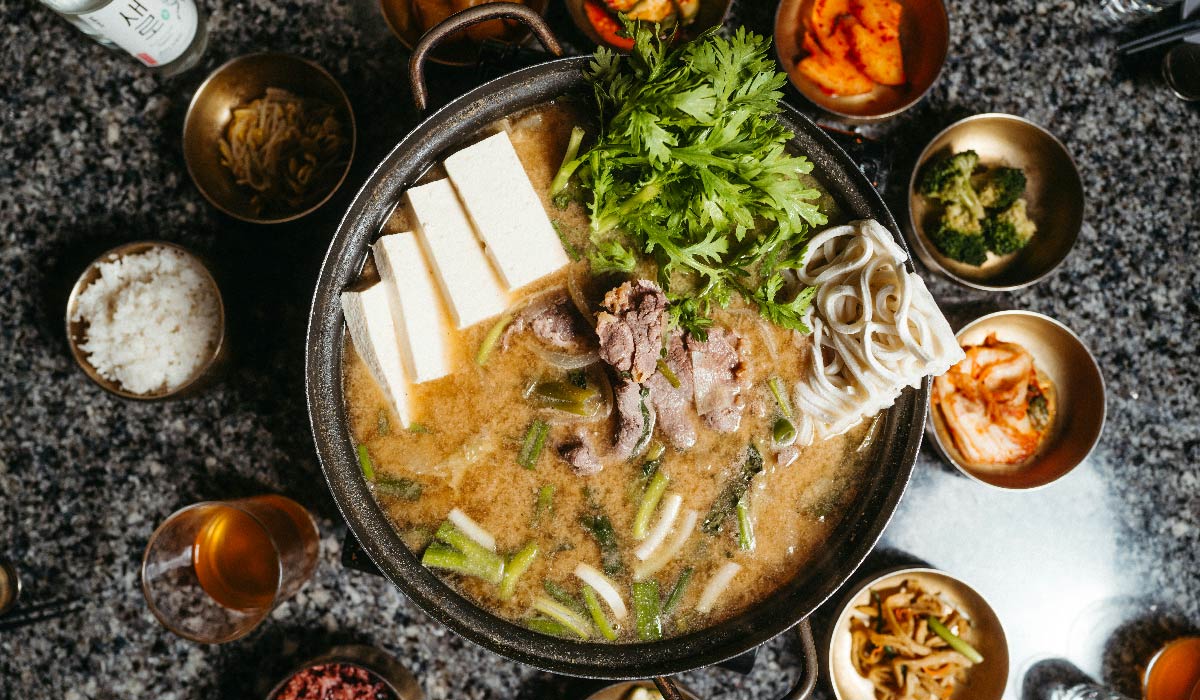

Gommeok is a commonly used phonetic variation of Korean bone soups like Gomguk or Gomtang, made by slowly simmering beef bones for many hours. It produces a nourishing, milky broth rich in flavor and nutrients, though the term itself often causes confusion due to pronunciation differences. Gommeok is a traditional Korean slow-cooked beef bone soup known for its rich, milky broth, deep nutrition, and cultural significance.
Introduction
Gommeok is a word that has recently gained attention across food blogs, travel videos, and social media platforms, yet many people still find it confusing. You may have heard it while watching Korean cooking videos or scrolling through TikTok, only to discover that searching for it leads to different meanings. Some sources connect it to Gomguk, a traditional Korean bone soup, while others mistakenly link it to Gumma, an Uzbek snack, or Gommak, a restaurant in Jeju. This mix of meanings has created curiosity and driven more people to search for the term online.
At the same time, Korean cuisine is becoming more popular worldwide, and people are exploring dishes beyond well-known options like bibimbap or bulgogi. There is also a growing interest in bone broth for its health benefits, which adds to the appeal of Gommeok. Another reason for its rising popularity is that it is a unique keyword with little competition, making it stand out in search results. In this article, you will learn the real meaning of Gommeok, its origins, how it is prepared, its cultural value, health benefits, modern variations, and even its role in digital trends and branding.
Understanding the Meaning of Gommeok
To understand Gommeok clearly, it is important to look at its linguistic roots. The word comes from Korean cooking terms where “Gom (곰)” refers to the process of slow simmering, often for many hours. This technique is used to extract deep flavors and nutrients from ingredients. “Guk (국)” means soup, while “Tang (탕)” refers to a type of broth or stew. Together, these words describe traditional Korean bone soups like Gomguk and Gomtang, which are known for their long cooking time and rich, milky texture.
However, Gommeok itself is not an official Korean word. It is a phonetic or romanized variation that appears due to differences in pronunciation, translation, or spelling by non-native speakers. When people hear “Gomguk” spoken quickly, they may interpret it as “Gommeok,” especially if they are unfamiliar with Korean language rules. This leads to frequent misspellings and misunderstandings online.
Despite this confusion, the core meaning of Gommeok remains tied to the Korean tradition of bone broth cooking. It represents a slow-cooked soup made from beef bones, valued for its deep flavor and nourishing qualities. Understanding this connection helps remove confusion and allows people to appreciate the dish for what it truly is.
Gommeok vs Similar Terms – Clearing the Confusion
The confusion around Gommeok mostly comes from its similarity to other words, which sound alike but have very different meanings. Understanding these differences is essential for clarity.
Gommeok vs Gomguk / Gomtang
Gomguk and Gomtang are the correct Korean terms for traditional bone soups. They share the same origin and cooking method, while Gommeok is simply a misheard or alternate spelling of these dishes.
Gommeok vs Seolleongtang
Seolleongtang is another Korean bone soup, but it usually has a richer and deeper flavor because it often includes a mix of bones and meat. Gommeok-style soup is often lighter and cleaner in taste.
Gommeok vs Gumma (Uzbek Food)
Gumma is a fried pastry filled with meat or vegetables, popular in Central Asia. It has nothing to do with Korean soup, even though the name sounds similar.
Gommeok vs Gommak (Jeju Restaurant)
Gommak is a restaurant in Jeju known for sashimi noodles. It is a place, not a type of soup, which adds to the confusion for travelers.
Gommeok vs Gomoku / Golmok
Gomoku is a Japanese board game, while Golmok means “alley” in Korean. Neither is related to food or soup.
By understanding these differences, it becomes clear that Gommeok is best understood as a variation of Korean bone soup terminology rather than a separate dish.
Historical Origins of Gommeok in Korean Culture
The origins of Gommeok are deeply connected to traditional Korean food culture, where resourcefulness and respect for ingredients played an important role. In the past, beef was considered a luxury in Korea and was not commonly consumed by ordinary families. When beef was available, people used every part of the animal, including the bones, to avoid waste. This practice reflects the idea of using resources carefully and respectfully.
One of the earliest uses of bone broth came after ancestral rituals. During these ceremonies, meat was offered and consumed, leaving bones behind. Instead of discarding them, families would simmer the bones for long periods to create nourishing soup. This process not only reduced waste but also provided a healthy meal for the family.
Over time, this simple practice evolved into a well-known dish enjoyed in homes and restaurants. What started as a way to reuse leftovers became a valued part of Korean cuisine. Today, Gommeok-style soups represent more than just food; they reflect cultural values such as patience, care, and appreciation for tradition.
Traditional Ingredients Used in Gommeok
The ingredients used in Gommeok are simple, but each one plays an important role in creating the final flavor. The main ingredient is beef bones, usually taken from the legs, knuckles, or oxtail. These parts are rich in marrow and collagen, which give the soup its signature milky texture and smooth consistency. The bones are the foundation of the dish and are responsible for its nutritional value.
In addition to bones, basic aromatics such as garlic, onion, and Korean radish are often added. These ingredients enhance the flavor without overpowering the natural taste of the broth. Water is the main base, and no heavy spices are used during cooking. This reflects the philosophy of simplicity, where the natural flavor of the ingredients is allowed to shine.
The minimal use of seasoning is also important. Instead of adding salt during cooking, the soup is usually served plain, and diners adjust the taste themselves. This approach highlights the purity of the broth and allows each person to enjoy it according to their preference.
Step-by-Step Cooking Process of Gommeok
The cooking process of Gommeok is detailed and requires patience. It begins with soaking the bones in cold water to remove any remaining blood. This step is important for achieving a clean and clear flavor. After soaking, the bones are blanched in boiling water to remove impurities, which helps create a smoother broth.
Once cleaned, the bones are placed in a large pot with fresh water and left to simmer on low heat for many hours, often between 12 and 24 hours. During this time, the heat extracts collagen, minerals, and flavor from the bones. Aromatics like garlic, onion, and radish are added midway through the cooking process to enhance the taste.
As the soup cooks, foam and impurities are removed from the surface to maintain clarity. After long simmering, the broth is strained to remove solid particles. The result is a rich, milky liquid that is both flavorful and nutritious. This slow cooking method is what gives Gommeok its unique character and depth.
People Read Also: Pet5ardas com Guide
Why Gommeok Takes So Long to Cook
The long cooking time of Gommeok is essential to its quality. Slow simmering allows collagen from the bones to break down into gelatin, which gives the broth its smooth texture. It also helps release minerals like calcium and magnesium, making the soup more nutritious.
In addition, extended cooking develops a deeper flavor that cannot be achieved with quick methods. The process requires patience, which reflects traditional cooking values where time and care are seen as important ingredients. This slow approach is similar to the modern “slow food” movement, which emphasizes quality and tradition over speed.
Health Benefits of Gommeok
Gommeok is widely valued for its health benefits. The broth is rich in collagen, which supports joint health and may improve skin elasticity. It also contains essential minerals that help strengthen bones and support overall health. Because the soup is light and easy to digest, it is suitable for people of all ages, including children and the elderly.
The warm broth is also hydrating and helps replenish electrolytes, especially during illness or after physical activity. In Korean culture, it is often served to people recovering from sickness or to new mothers after childbirth. During colder months, it is considered a comforting food that helps boost immunity and keep the body warm.
Cultural Importance of Gom meok in Korean Society
Gommeok holds a special place in Korean society as a symbol of care and tradition. It is often prepared in large quantities and shared among family members, which strengthens social bonds. The act of cooking the soup itself can be a family activity, passed down through generations.
The dish is also connected to important holidays such as Seollal and Chuseok, where it may be included in traditional meals. Beyond special occasions, it is a popular comfort food enjoyed at any time of the day. In many cities, there are restaurants that serve Gommeok-style soups 24 hours a day, making it a reliable and comforting option for people from all walks of life.
How Gommeok Is Served and Eaten
Gommeok is typically served in a simple and traditional way. The broth is presented plain, without added seasoning, allowing diners to adjust the taste themselves. Common additions include salt, black pepper, and chopped green onions.
It is usually served with a bowl of steamed rice, which can be eaten separately or added directly into the soup. Side dishes such as kimchi and pickled radish are also provided, adding contrast and balance to the mild flavor of the broth. This interactive way of eating allows each person to customize their meal, making the experience more personal and enjoyable.
Modern Variations of Gommeok
As food trends evolve, Gommeok has also seen modern variations. Instant versions are now available in supermarkets, offering a convenient way to enjoy the dish without long cooking times. Some restaurants serve it with noodles, creating a more filling meal.
There are also spicy versions that include chili paste or chili flakes for those who prefer stronger flavors. Fusion variations combine the traditional broth with ingredients like dumplings, seafood, or rice cakes, showing how the dish can adapt to modern tastes while still preserving its core identity.
Gommeok in the Digital Era and SEO Trend
Gommeok has become a rising keyword in the digital world due to its uniqueness and low competition. People searching for it often encounter limited but highly relevant content, which creates an opportunity for websites to rank easily. The curiosity around the term drives traffic, especially when combined with food trends and cultural exploration.
For bloggers and content creators, Gommeok represents a valuable topic because it allows them to build authority in a niche area. By providing clear and informative content, they can attract readers who are searching for answers and establish a strong online presence.
Gommeok as a Branding and Concept Keyword
The uniqueness of the word Gommeok also makes it suitable for branding. Because it is not widely used, it can be easily associated with a specific product, service, or idea. Businesses can use it as a brand name for food products, health supplements, or even digital platforms.
Its neutral sound and global appeal allow it to work across different markets. This flexibility makes it an attractive choice for startups and creative projects that want a memorable and distinctive identity.
Psychological Appeal of the Word Gommeok
Words like Gommeok naturally attract attention because they are unfamiliar. This curiosity encourages people to explore their meaning, which increases engagement. The word is also easy to remember due to its unique sound and structure.
When combined with food, it creates an emotional connection, as people often associate meals with comfort and warmth. This combination of curiosity and emotion makes Gommeok a powerful term in both marketing and storytelling.
Where to Find Gommeok Around the World
Gommeok-style soups can be found in Korean restaurants around the world, especially in cities with large Korean communities. Places like Seoul, Los Angeles, and London offer authentic versions of the dish.
Asian grocery stores also sell packaged or frozen versions, making it possible to prepare the soup at home. Online platforms provide even more access, allowing people from different regions to experience this traditional dish.
Common Misunderstandings About Gom meok
Many people believe that Gommeok is a separate dish, but it is actually a variation of existing Korean soups. It is not a snack or a restaurant name, and it is not related to Uzbek or Japanese food. These misunderstandings come from pronunciation differences and lack of clear information.
By understanding its true meaning, people can avoid confusion and appreciate the dish for what it represents.
Why Gommeok Is Becoming Popular Globally
The global rise of Korean culture has played a major role in the popularity of Gommeok. As more people explore Korean food, they become interested in traditional dishes like bone soup. Health trends also contribute to its appeal, as many people seek natural and nourishing foods.
Social media has further increased its visibility, with food bloggers and influencers sharing their experiences. This combination of cultural influence, health awareness, and digital exposure has helped Gommeok gain recognition worldwide.
Challenges in Understanding Gom meok
One of the main challenges with Gommeok is its spelling variation. Different interpretations can make it difficult for people to find accurate information. Translation differences also create confusion, especially for those unfamiliar with Korean language and culture.
Another challenge is the cultural gap, as traditional dishes may not always be explained clearly to international audiences. Providing accurate and simple explanations can help overcome these issues.
The Future of Gommeok in Food and Digital Culture
The future of Gommeok looks promising as interest in Korean cuisine continues to grow. More restaurants are likely to include it on their menus, and packaged versions may become more widely available. In the digital space, it has the potential to become a recognized keyword and even a brand identity.
As people continue to explore new foods and concepts, Gommeok may evolve into both a culinary and digital symbol of tradition and innovation.
Conclusion
Gommeok is more than just a simple dish; it represents a blend of tradition, health, and cultural identity. Its slow cooking process reflects patience and care, while its nutritional value makes it a comforting and nourishing meal. At the same time, its growing presence in digital spaces shows how traditional concepts can adapt to modern trends.
Whether you are interested in Korean cuisine, healthy food, or unique cultural terms, Gommeok offers something meaningful. Exploring it allows you to connect with both history and modern creativity, making it a truly valuable experience.
We Explore Latest News And Information At The General Magazine
